
The Lost Wax Method: Sculpting Eternal Beauty in Bronze for Catholic Spaces
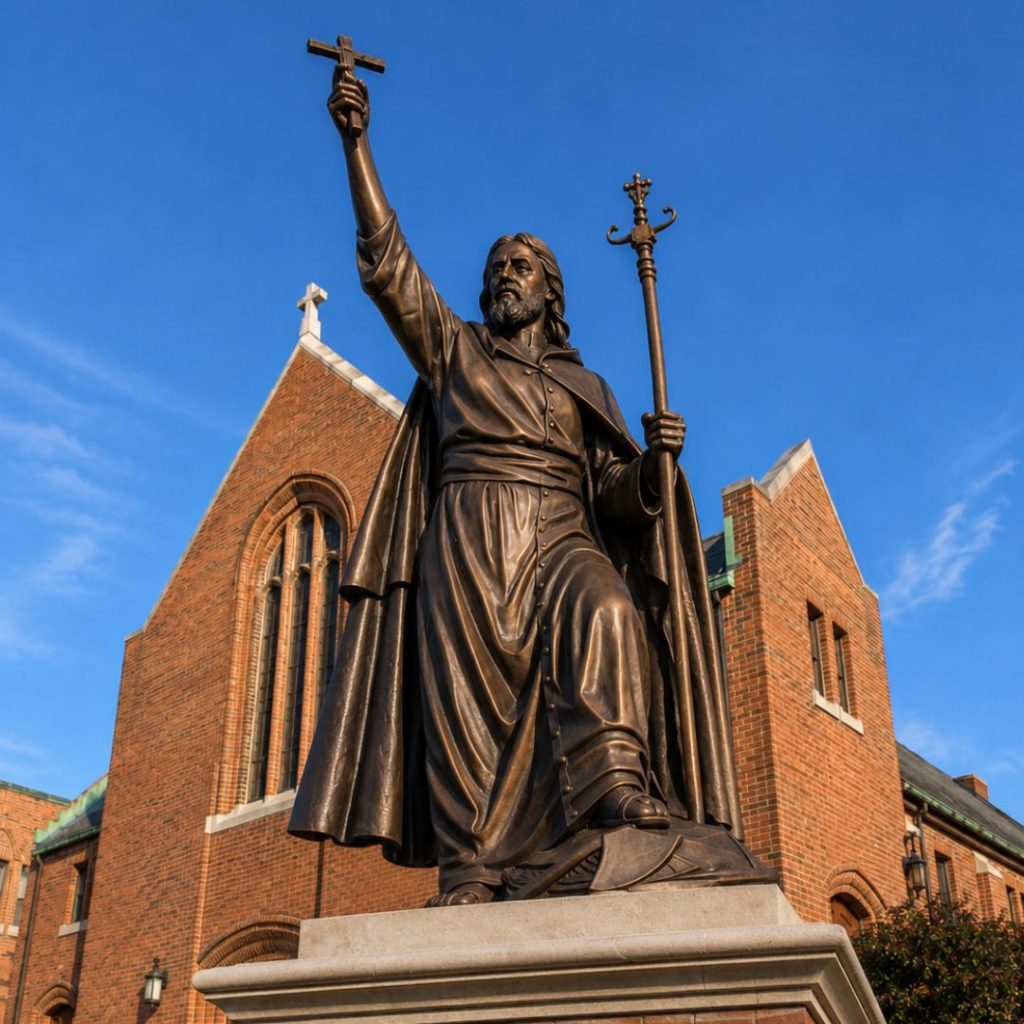
At Indweller Artistic, Inc., we take pride in our craft of creating exquisite Catholic religious statues using the ancient Lost Wax Method. This time-honored technique allows us to produce intricately detailed sculptures that stand as enduring symbols of faith across Catholic churches, schools, universities, and cemeteries. In this blog post, we delve into the fascinating process of the Lost Wax Method, explore the significance of bronze as a material, and highlight the variety of ecclesiastical art we create, including statues of beloved saints like St. Joseph, Venerable Fulton Sheen, Saint Padre Pio, Virgin Mary, and St. Thérèse of Lisieux. The Lost Wax Method: A Heritage of Artistic Excellence The Lost Wax Method, or “cire perdue,” is a sculptural process that dates back thousands of years, cherished for its ability to capture the finest details in art. The journey begins with a skilled artist crafting a detailed wax model of the desired sculpture. This wax model serves as the precursor to the final piece, allowing the artist to perfect every detail, from the gentle folds of a saint’s robe to the serene expression of the Virgin Mary. Creating the Silicone Mold Once the wax model is complete, it is encased in a silicone mold. This mold is created by carefully applying layers of silicone around the wax model, capturing its every nuance. The silicone mold serves as a flexible yet precise shell that will later be used to create a more durable mold for casting. Once the original sculpture has been completed, a carefully constructed silicone mold is created to capture every contour, texture, and detail of the artwork. Applied by hand in multiple layers, the silicone records even the smallest sculptural features, ensuring that the final bronze casting faithfully reproduces the artist’s original vision. This mold-making stage is an essential part of the lost wax casting process and helps transform an original clay sculpture into a lasting work of sacred art. For custom religious sculpture commissions, precision during mold creation is vital to achieving the highest level of artistic quality and craftsmanship. Preparing for the Pour: The Kiln and Bronze The next step involves creating a heat-resistant material, often a ceramic shell, around the silicone mold. The wax is then melted out in a kiln, leaving a hollow cavity in the shape of the original model. This crucial phase requires meticulous attention to detail and precise temperature control to ensure the mold’s integrity. With the wax gone, the mold is ready for the molten bronze. Bronze, an alloy of copper and tin, is heated to a liquid state in a kiln, reaching temperatures of approximately 1,200 degrees Celsius (2,200 degrees Fahrenheit). The molten bronze is then poured into the cavity, filling every intricate detail left by the wax. Once cooled, the outer mold is broken away, revealing the raw bronze sculpture. Many custom bronze sculptures begin with the ancient lost wax casting process, a technique that has been used by artists for thousands of years. This remarkable process captures even the finest artistic details, helping to transform an original sculpture into a durable bronze work of sacred art. For churches, shrines, schools and memorial installations, lost wax casting provides the exceptional quality and permanence expected of monumental religious sculpture. Finishing Touches The bronze sculpture then undergoes a meticulous finishing process. This involves removing any imperfections, adding patinas to enhance its aesthetic appeal, and applying protective coatings. At this stage, the sculpture begins to transform into a masterpiece of sacred art, ready to inspire and enrich the spiritual spaces it will inhabit. The Enduring Qualities of Bronze Bronze is celebrated not only for its durability but also for its ability to age gracefully over time. This material develops a natural patina as it is exposed to the elements, which contributes to its timeless beauty. The patina can range from warm browns to verdant greens, adding character and depth to the sculpture. A Symbol of Permanence In the context of Catholic art, bronze represents more than just physical resilience; it symbolizes spiritual endurance. Churches, schools, and cemeteries that feature bronze statues invest in art that will withstand the passage of time, ensuring that the stories and virtues of saints like St. Joseph and St. Thérèse of Lisieux continue to inspire future generations. A Diverse Array of Sacred Art At Indweller Artistic, Inc., we offer a wide variety of sculptures that cater to the diverse needs of Catholic institutions. Our collection includes life-sized statues perfect for prominent displays, as well as smaller pieces suitable for more intimate settings. Statues of Beloved Saints General Ecclesiastical Art Our range extends beyond specific saints to include general liturgical and sacred art that enhances any Catholic space. These pieces serve as visual expressions of faith, fostering spiritual reflection and community connection. The Impact on Catholic Institutions Bronze sculptures play a vital role in enriching the spiritual atmosphere of Catholic institutions. They serve as focal points for prayer and contemplation, offering parishioners and students a tangible connection to their faith. Whether placed in the tranquil gardens of a church, the contemplative spaces of a university, or the serene settings of a cemetery, these sculptures become cherished symbols of devotion and inspiration. Once installed, a custom bronze sculpture becomes far more than a decorative feature—it becomes a visible expression of faith and an enduring part of the parish community. Saint Peter, the first pope and one of Christianity’s most beloved apostles, is a fitting subject for church entrances, plazas, prayer gardens, and devotional spaces. Bronze religious sculpture offers exceptional durability while providing a timeless artistic presence that can inspire prayer, reflection, and spiritual connection for generations. Thoughtfully integrated into the church’s architecture and landscape, sacred sculpture helps transform ordinary spaces into places of encounter, beauty, and devotion. Enriching Educational Environments In Catholic schools and universities, religious statues provide students with a visual representation of faith and virtue. They serve as daily reminders of the rich heritage of the Catholic Church and the saints who have shaped its history.