
Catholic Columbariums: Designing Sacred Memorial Spaces for Prayer, Remembrance, and Hope
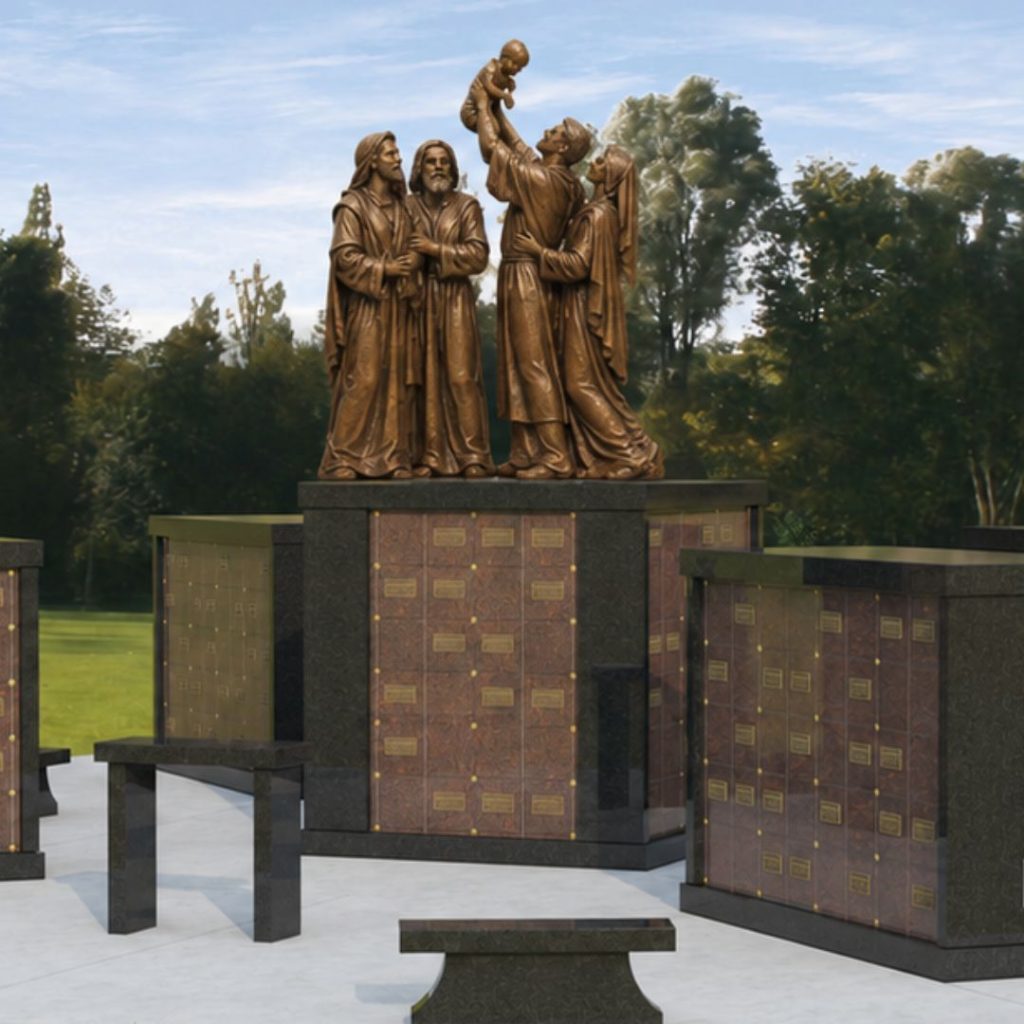
Catholic columbariums are becoming one of the fastest-growing trends in parish cemetery planning. As cremation rates increase and available land becomes more limited, many Catholic churches are exploring parish columbariums as a way to provide sacred burial space while keeping loved ones close to the faith community. Traditionally, Catholic burial practices centered on in-ground interment within parish cemeteries. Today, however, many pastors, diocesan building directors, and cemetery managers are discovering that a thoughtfully designed church columbarium can serve not only as a practical solution, but also as a beautiful place of prayer, remembrance, and hope. When combined with sacred art, landscaping, and devotional spaces, a Catholic columbarium can become one of the most meaningful and frequently visited areas on parish grounds. Why Catholic Columbariums Are Growing in Popularity The growing interest in parish columbariums is driven by several factors that align with both practical needs and Catholic values. Space Efficiency As urban and suburban communities continue to grow, available land for traditional burial plots becomes increasingly limited. Columbariums offer a compact and dignified solution that can often be integrated into existing parish grounds without requiring significant acreage. Stewardship and Environmental Considerations Many Catholic families are choosing cremation as a practical and environmentally responsible option. When cremated remains are properly interred in a sacred setting, a church columbarium provides a permanent place for remembrance while honoring Catholic teaching regarding the respectful treatment of human remains. Spiritual Proximity One of the greatest benefits of a parish columbarium is its location within the life of the Church. Loved ones remain physically close to the community where they worshipped, received the sacraments, and built relationships. Family members can visit before or after Mass, creating an ongoing connection between prayer, memory, and faith. Catholic columbariums offer churches an efficient and beautiful way to provide sacred burial space while keeping families connected to the life of the parish community. Beyond Storage: Creating a Catholic Memorial Garden The most successful Catholic columbariums are more than structures containing niches. They become sacred memorial gardens that invite prayer, reflection, and healing. Thoughtful columbarium design incorporates landscaping, seating areas, devotional spaces, and sacred art to create an atmosphere that reflects the Church’s belief in the resurrection of the dead. Rather than focusing exclusively on loss, these spaces can communicate hope, renewal, and the promise of eternal life. Sacred Art as the Heart of a Columbarium While the columbarium itself provides a place of remembrance, sacred art often becomes the spiritual focal point of the entire memorial space. Bronze sculptures of Christ, the Holy Family, Our Lady, angels, or beloved saints help transform a columbarium from a cemetery feature into a destination for prayer and contemplation. Visitors naturally gather around these works of art, creating opportunities for reflection, healing, and spiritual connection. Many parishes choose to include memorial sculptures that celebrate themes such as family, faith, service, compassion, or the dignity of life. These artistic elements communicate the Christian message in a powerful and accessible way while enhancing the beauty of the grounds. At Indweller Artistic, we have worked with churches, schools, cemeteries, and dioceses across North America to create sacred sculptures that inspire prayer and strengthen communities. Whether incorporated into a parish columbarium, memorial garden, or cemetery setting, sacred art has the ability to become a lasting expression of faith for generations to come. God’s Doorkeeper, featuring St. André Bessette, reflects the Christian belief that death is not an end but a passage into eternal life. Religious sculpture like this can serve as a powerful focal point within parish columbariums and memorial gardens. Memorials to the Unborn: A Growing Ministry Within Catholic Memorial Gardens Many Catholic parishes are also incorporating memorials to the unborn within their columbarium and memorial garden projects. Often supported by local Knights of Columbus councils or Catholic women’s organizations, these memorials provide a dedicated place for prayer, healing, and remembrance. They offer comfort to families who have experienced the loss of a child while affirming the Church’s unwavering commitment to the sanctity of human life. The design of these memorial spaces frequently includes symbols of hope and renewal, such as angels, the Holy Family, or images of Christ’s mercy. These features create an environment where grief can be met with prayer, healing, and spiritual support. By including memorials to the unborn within larger parish memorial gardens, churches create opportunities for both remembrance and education while fostering a culture of life within the community. The Reunion sculpture symbolizes God’s love and mercy while providing a meaningful focal point for memorials to the unborn. Such sacred spaces help parishes foster healing while affirming the dignity of every human life. Designing Memorial Spaces Families Want to Visit The most successful memorial spaces encourage regular visitation and ongoing engagement from parishioners and families. Family-Friendly Design Comfortable seating areas, shade structures, pathways, gardens, and accessible gathering spaces encourage visitors to spend meaningful time within the memorial area. These elements can be especially important for children and grandchildren who may otherwise feel disconnected from traditional cemetery environments. Interactive Remembrance Some parishes incorporate plaques, inscriptions, memorial walls, or storytelling elements that help visitors learn about the lives of those being honored. These features transform memorial spaces into places where memories are shared and preserved. Natural Beauty Landscaping plays a significant role in the overall experience. Trees, flowers, water features, and natural stone materials can help create a peaceful environment that reflects God’s creation while providing comfort to visitors. The Faithful Companion sculpture of St. Francis of Assisi with a dog demonstrates how sacred art, landscaping, and thoughtful design can transform memorial spaces into welcoming destinations for contemplation, remembrance, and spiritual renewal. Best Practices for Church Columbarium Design As pastors and parish leaders consider new columbarium projects, several guiding principles can help ensure long-term success. Collaborate Early Involving parish leadership, cemetery committees, artists, architects, and parishioners early in the planning process often leads to more meaningful and successful outcomes. Balance Tradition and Creativity Catholic memorial spaces should remain firmly rooted in the traditions