
Catholic Columbariums: Designing Sacred Memorial Spaces for Prayer, Remembrance, and Hope
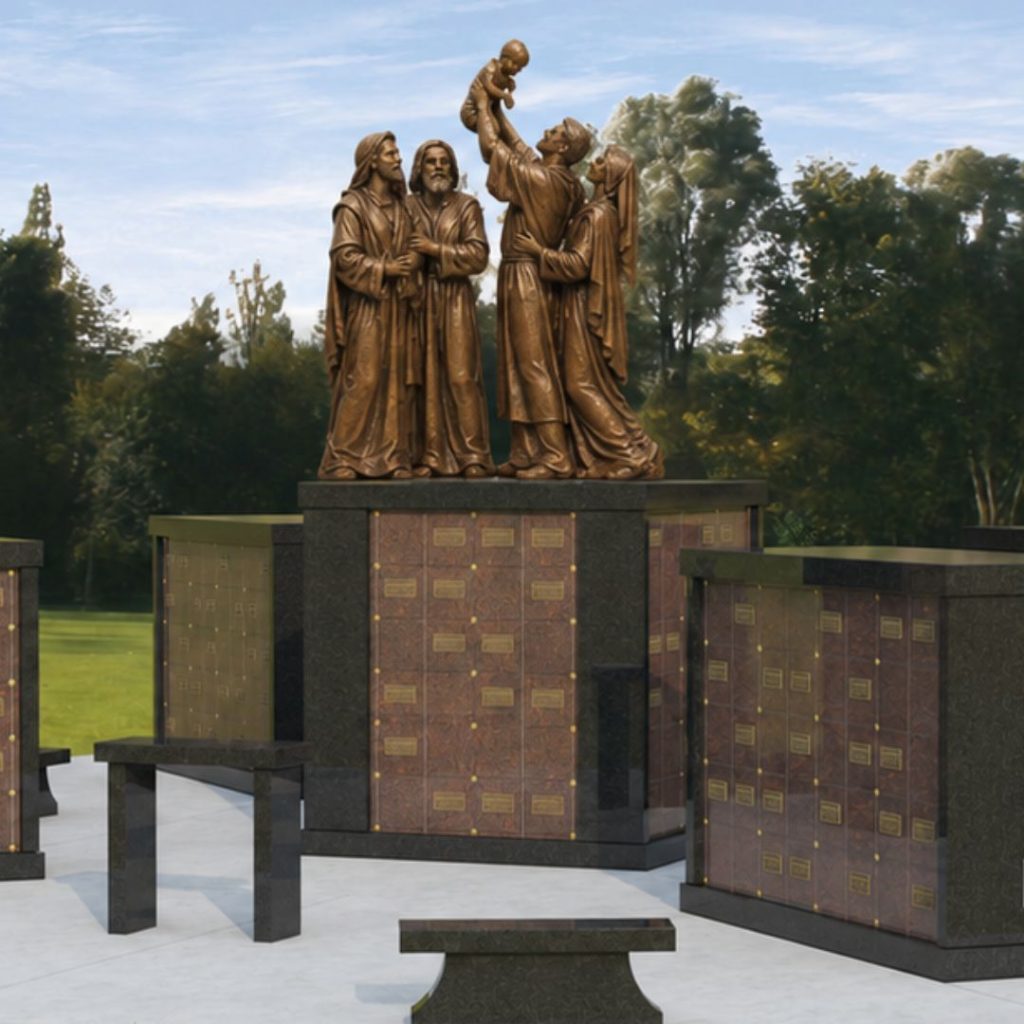
Catholic columbariums are becoming one of the fastest-growing trends in parish cemetery planning. As cremation rates increase and available land becomes more limited, many Catholic churches are exploring parish columbariums as a way to provide sacred burial space while keeping loved ones close to the faith community. Traditionally, Catholic burial practices centered on in-ground interment within parish cemeteries. Today, however, many pastors, diocesan building directors, and cemetery managers are discovering that a thoughtfully designed church columbarium can serve not only as a practical solution, but also as a beautiful place of prayer, remembrance, and hope. When combined with sacred art, landscaping, and devotional spaces, a Catholic columbarium can become one of the most meaningful and frequently visited areas on parish grounds. Why Catholic Columbariums Are Growing in Popularity The growing interest in parish columbariums is driven by several factors that align with both practical needs and Catholic values. Space Efficiency As urban and suburban communities continue to grow, available land for traditional burial plots becomes increasingly limited. Columbariums offer a compact and dignified solution that can often be integrated into existing parish grounds without requiring significant acreage. Stewardship and Environmental Considerations Many Catholic families are choosing cremation as a practical and environmentally responsible option. When cremated remains are properly interred in a sacred setting, a church columbarium provides a permanent place for remembrance while honoring Catholic teaching regarding the respectful treatment of human remains. Spiritual Proximity One of the greatest benefits of a parish columbarium is its location within the life of the Church. Loved ones remain physically close to the community where they worshipped, received the sacraments, and built relationships. Family members can visit before or after Mass, creating an ongoing connection between prayer, memory, and faith. Catholic columbariums offer churches an efficient and beautiful way to provide sacred burial space while keeping families connected to the life of the parish community. Beyond Storage: Creating a Catholic Memorial Garden The most successful Catholic columbariums are more than structures containing niches. They become sacred memorial gardens that invite prayer, reflection, and healing. Thoughtful columbarium design incorporates landscaping, seating areas, devotional spaces, and sacred art to create an atmosphere that reflects the Church’s belief in the resurrection of the dead. Rather than focusing exclusively on loss, these spaces can communicate hope, renewal, and the promise of eternal life. Sacred Art as the Heart of a Columbarium While the columbarium itself provides a place of remembrance, sacred art often becomes the spiritual focal point of the entire memorial space. Bronze sculptures of Christ, the Holy Family, Our Lady, angels, or beloved saints help transform a columbarium from a cemetery feature into a destination for prayer and contemplation. Visitors naturally gather around these works of art, creating opportunities for reflection, healing, and spiritual connection. Many parishes choose to include memorial sculptures that celebrate themes such as family, faith, service, compassion, or the dignity of life. These artistic elements communicate the Christian message in a powerful and accessible way while enhancing the beauty of the grounds. At Indweller Artistic, we have worked with churches, schools, cemeteries, and dioceses across North America to create sacred sculptures that inspire prayer and strengthen communities. Whether incorporated into a parish columbarium, memorial garden, or cemetery setting, sacred art has the ability to become a lasting expression of faith for generations to come. God’s Doorkeeper, featuring St. André Bessette, reflects the Christian belief that death is not an end but a passage into eternal life. Religious sculpture like this can serve as a powerful focal point within parish columbariums and memorial gardens. Memorials to the Unborn: A Growing Ministry Within Catholic Memorial Gardens Many Catholic parishes are also incorporating memorials to the unborn within their columbarium and memorial garden projects. Often supported by local Knights of Columbus councils or Catholic women’s organizations, these memorials provide a dedicated place for prayer, healing, and remembrance. They offer comfort to families who have experienced the loss of a child while affirming the Church’s unwavering commitment to the sanctity of human life. The design of these memorial spaces frequently includes symbols of hope and renewal, such as angels, the Holy Family, or images of Christ’s mercy. These features create an environment where grief can be met with prayer, healing, and spiritual support. By including memorials to the unborn within larger parish memorial gardens, churches create opportunities for both remembrance and education while fostering a culture of life within the community. The Reunion sculpture symbolizes God’s love and mercy while providing a meaningful focal point for memorials to the unborn. Such sacred spaces help parishes foster healing while affirming the dignity of every human life. Designing Memorial Spaces Families Want to Visit The most successful memorial spaces encourage regular visitation and ongoing engagement from parishioners and families. Family-Friendly Design Comfortable seating areas, shade structures, pathways, gardens, and accessible gathering spaces encourage visitors to spend meaningful time within the memorial area. These elements can be especially important for children and grandchildren who may otherwise feel disconnected from traditional cemetery environments. Interactive Remembrance Some parishes incorporate plaques, inscriptions, memorial walls, or storytelling elements that help visitors learn about the lives of those being honored. These features transform memorial spaces into places where memories are shared and preserved. Natural Beauty Landscaping plays a significant role in the overall experience. Trees, flowers, water features, and natural stone materials can help create a peaceful environment that reflects God’s creation while providing comfort to visitors. The Faithful Companion sculpture of St. Francis of Assisi with a dog demonstrates how sacred art, landscaping, and thoughtful design can transform memorial spaces into welcoming destinations for contemplation, remembrance, and spiritual renewal. Best Practices for Church Columbarium Design As pastors and parish leaders consider new columbarium projects, several guiding principles can help ensure long-term success. Collaborate Early Involving parish leadership, cemetery committees, artists, architects, and parishioners early in the planning process often leads to more meaningful and successful outcomes. Balance Tradition and Creativity Catholic memorial spaces should remain firmly rooted in the traditions
The Lost Wax Method: Sculpting Eternal Beauty in Bronze for Catholic Spaces
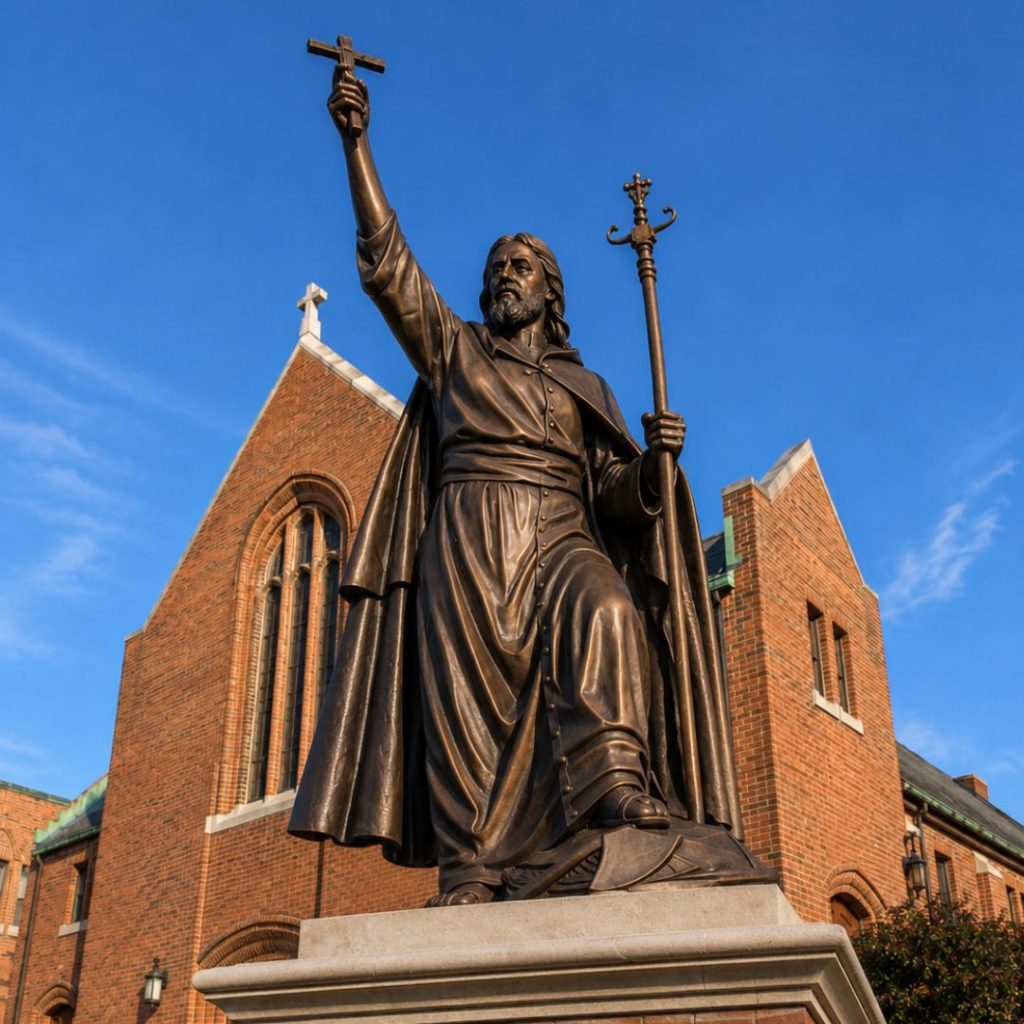
At Indweller Artistic, Inc., we take pride in our craft of creating exquisite Catholic religious statues using the ancient Lost Wax Method. This time-honored technique allows us to produce intricately detailed sculptures that stand as enduring symbols of faith across Catholic churches, schools, universities, and cemeteries. In this blog post, we delve into the fascinating process of the Lost Wax Method, explore the significance of bronze as a material, and highlight the variety of ecclesiastical art we create, including statues of beloved saints like St. Joseph, Venerable Fulton Sheen, Saint Padre Pio, Virgin Mary, and St. Thérèse of Lisieux. The Lost Wax Method: A Heritage of Artistic Excellence The Lost Wax Method, or “cire perdue,” is a sculptural process that dates back thousands of years, cherished for its ability to capture the finest details in art. The journey begins with a skilled artist crafting a detailed wax model of the desired sculpture. This wax model serves as the precursor to the final piece, allowing the artist to perfect every detail, from the gentle folds of a saint’s robe to the serene expression of the Virgin Mary. Creating the Silicone Mold Once the wax model is complete, it is encased in a silicone mold. This mold is created by carefully applying layers of silicone around the wax model, capturing its every nuance. The silicone mold serves as a flexible yet precise shell that will later be used to create a more durable mold for casting. Once the original sculpture has been completed, a carefully constructed silicone mold is created to capture every contour, texture, and detail of the artwork. Applied by hand in multiple layers, the silicone records even the smallest sculptural features, ensuring that the final bronze casting faithfully reproduces the artist’s original vision. This mold-making stage is an essential part of the lost wax casting process and helps transform an original clay sculpture into a lasting work of sacred art. For custom religious sculpture commissions, precision during mold creation is vital to achieving the highest level of artistic quality and craftsmanship. Preparing for the Pour: The Kiln and Bronze The next step involves creating a heat-resistant material, often a ceramic shell, around the silicone mold. The wax is then melted out in a kiln, leaving a hollow cavity in the shape of the original model. This crucial phase requires meticulous attention to detail and precise temperature control to ensure the mold’s integrity. With the wax gone, the mold is ready for the molten bronze. Bronze, an alloy of copper and tin, is heated to a liquid state in a kiln, reaching temperatures of approximately 1,200 degrees Celsius (2,200 degrees Fahrenheit). The molten bronze is then poured into the cavity, filling every intricate detail left by the wax. Once cooled, the outer mold is broken away, revealing the raw bronze sculpture. Many custom bronze sculptures begin with the ancient lost wax casting process, a technique that has been used by artists for thousands of years. This remarkable process captures even the finest artistic details, helping to transform an original sculpture into a durable bronze work of sacred art. For churches, shrines, schools and memorial installations, lost wax casting provides the exceptional quality and permanence expected of monumental religious sculpture. Finishing Touches The bronze sculpture then undergoes a meticulous finishing process. This involves removing any imperfections, adding patinas to enhance its aesthetic appeal, and applying protective coatings. At this stage, the sculpture begins to transform into a masterpiece of sacred art, ready to inspire and enrich the spiritual spaces it will inhabit. The Enduring Qualities of Bronze Bronze is celebrated not only for its durability but also for its ability to age gracefully over time. This material develops a natural patina as it is exposed to the elements, which contributes to its timeless beauty. The patina can range from warm browns to verdant greens, adding character and depth to the sculpture. A Symbol of Permanence In the context of Catholic art, bronze represents more than just physical resilience; it symbolizes spiritual endurance. Churches, schools, and cemeteries that feature bronze statues invest in art that will withstand the passage of time, ensuring that the stories and virtues of saints like St. Joseph and St. Thérèse of Lisieux continue to inspire future generations. A Diverse Array of Sacred Art At Indweller Artistic, Inc., we offer a wide variety of sculptures that cater to the diverse needs of Catholic institutions. Our collection includes life-sized statues perfect for prominent displays, as well as smaller pieces suitable for more intimate settings. Statues of Beloved Saints General Ecclesiastical Art Our range extends beyond specific saints to include general liturgical and sacred art that enhances any Catholic space. These pieces serve as visual expressions of faith, fostering spiritual reflection and community connection. The Impact on Catholic Institutions Bronze sculptures play a vital role in enriching the spiritual atmosphere of Catholic institutions. They serve as focal points for prayer and contemplation, offering parishioners and students a tangible connection to their faith. Whether placed in the tranquil gardens of a church, the contemplative spaces of a university, or the serene settings of a cemetery, these sculptures become cherished symbols of devotion and inspiration. Once installed, a custom bronze sculpture becomes far more than a decorative feature—it becomes a visible expression of faith and an enduring part of the parish community. Saint Peter, the first pope and one of Christianity’s most beloved apostles, is a fitting subject for church entrances, plazas, prayer gardens, and devotional spaces. Bronze religious sculpture offers exceptional durability while providing a timeless artistic presence that can inspire prayer, reflection, and spiritual connection for generations. Thoughtfully integrated into the church’s architecture and landscape, sacred sculpture helps transform ordinary spaces into places of encounter, beauty, and devotion. Enriching Educational Environments In Catholic schools and universities, religious statues provide students with a visual representation of faith and virtue. They serve as daily reminders of the rich heritage of the Catholic Church and the saints who have shaped its history.
Crafting Divine Beauty: How a Custom Catholic Statue Is Made
Picture an empty niche on the front of your parish, or a quiet corner of a prayer garden waiting for something sacred. Throughout history, Catholic churches have woven sculpture into their architecture to draw the faithful into contemplation, prayer, and devotion. Creating a custom statue of a saint is not merely a craft — it is a spiritual journey that brings sacred art to life, blending artistic expression, historical reverence, and a deep understanding of Catholic tradition. At Indweller Artistic, Inc., we are dedicated to producing Catholic religious statues that capture the essence of sanctity and devotion. Whether it is a St. Joseph statue, a Sacred Heart of Jesus sculpture, or a Virgin Mary figure, each piece is a testament to faith and artistry. Here is how a commission comes to life, step by step. 1. Consultation and Conceptualization The journey begins with a consultation. This crucial step brings together the key stakeholders — the pastor, business manager, pastoral council, or pastoral assistant — who wish to commission a piece. Together with our team, they explore the vision for the statue, which may be destined for a parish church, a private Christian school, or a new Catholic church being built. Understanding the intended message and setting ensures a tailored approach to every creation. 2. Research and Inspiration Following the consultation, our team embarks on extensive research. This phase is vital, especially when crafting figures like St. Thérèse of Lisieux or other beloved saints. We study religious texts, historical records, and artistic interpretations to capture the saint’s essence, then weave meaningful symbols and attributes into the design so the finished piece resonates with both historical accuracy and spiritual depth. 3. Initial Sketches and Design Approval Armed with inspiration, our artists create initial sketches. These preliminary designs serve as a blueprint for what will become a finished work of sacred art. The sketches are presented to the commissioning body for feedback and approval — a collaborative process that ensures the design aligns with the spiritual and aesthetic hopes of the parish. 4. Material Selection Choosing the right material is crucial to a statue’s longevity and visual impact. Our sculptures can be cast or carved in a range of materials: Material selection is guided by the statue’s intended location and the desired aesthetic. We offer options ranging from life-sized works down to 12″ miniature replicas in white resin stone, suiting a variety of needs and budgets. 5. Sculpting the Statue With the design approved and materials selected, the sculpting begins — and this is where the artist’s skill truly shines. Using tools and techniques honed over years, the artist shapes the raw material into a form that embodies the spirit of the saint. Whether it is the compassionate gaze of Padre Pio, the quiet spirituality of St. Francis of Assisi, or the serene presence of the Virgin Mary, every detail is crafted with care and devotion. 6. Finishing Touches and Detailing Once the sculpture takes shape, the finishing touches are applied. This means refining details, adding textures, and ensuring every aspect meets our high standards of craftsmanship. The delicate petals in a St. Thérèse of Lisieux sculpture or the flowing robes of a St. Joseph statue all require careful attention to achieve a lifelike appearance. 7. Patina Application and Polishing The final aesthetic finish is achieved through patina application and polishing, which add depth and character. For bronze, patinas can range from rich browns to verdant greens; marble is polished to a smooth sheen that highlights its natural beauty. 8. Delivery and Installation Upon completion, the statue is carefully packaged and delivered to its new home. Proper site preparation — concrete foundations, structural supports, landscaping, lighting, and accessibility — is planned well before the piece arrives, ensuring long-term stability and a harmonious setting. Our team can assist with installation so the work is securely positioned and displayed to its fullest advantage, whether it is destined for a Catholic youth camp, a prayer garden, or a bustling parish. 9. Blessing and Dedication Ceremony The journey concludes with a blessing and dedication ceremony — a sacred moment to celebrate the statue’s arrival. Often attended by the commissioning body, the wider community, and sometimes the bishop, this event marks the beginning of the statue’s role in inspiring faith and devotion for generations to come. Why Choose Indweller Artistic, Inc.? Our commitment to excellence is reflected in every statue we create. As artisans of liturgical and ecclesiastical art, we understand the profound impact sacred art can have on a community. By choosing our sculptures, you invest in a piece that becomes a cherished part of your institution’s spiritual landscape — not only an artistic work, but a vessel of faith designed to inspire and uplift all who encounter it. Whether you are building a new Catholic church or enriching an established parish, our custom statues offer a timeless connection to the divine. Each step of the process is undertaken with meticulous care and reverence, resulting in a work that is both beautiful and deeply meaningful. Ready to bring sacred art to your parish? Schedule a consultation with Indweller Artistic, Inc. to begin your custom statue commission.
Why More Churches Are Choosing Indweller Artistic for Custom Religious Sculptures
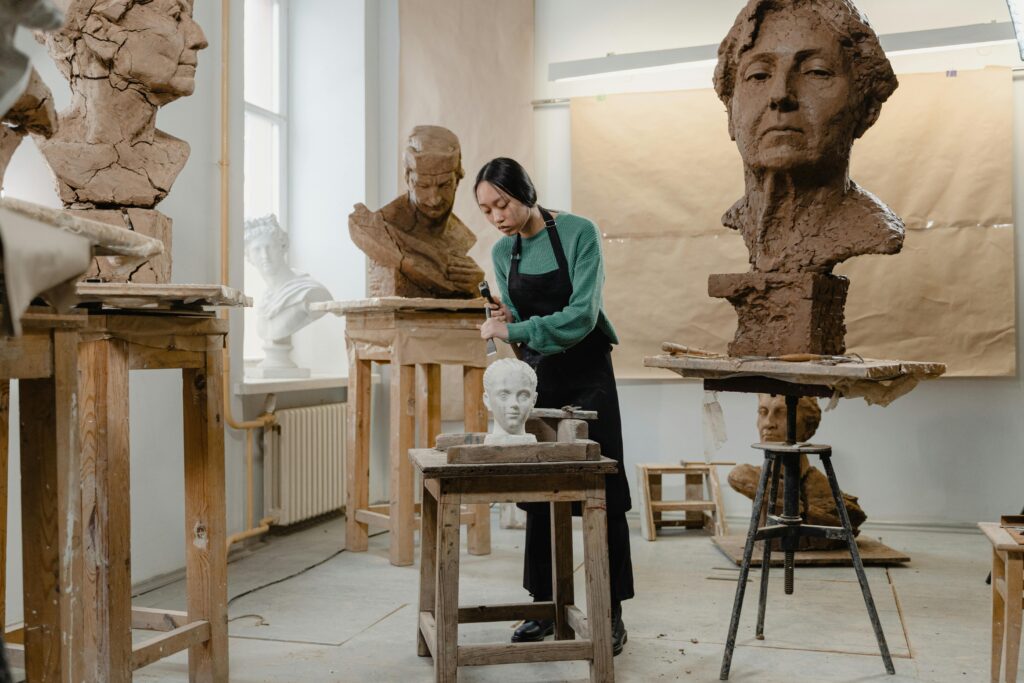
In a world where commissioning religious art can mean steep costs and long waits, Indweller Artistic has carved out a distinct niche by offering organizations an accessible path to breathtaking, high-quality works of sacred art. Rooted in Wiarton, Ontario, the company works with master artisans across the globe—from the serene hills of Thailand to the vibrant studios of Brazil—ensuring that each piece blends authenticity, craftsmanship, and reverence. By eliminating the typical logistical hurdles that come with original commissions, Indweller Artistic delivers finished religious artworks with efficiency and excellence. Each client is invited into the creative process, beginning with pencil sketches and clay models and ending in a sculptural masterpiece that inspires awe and devotion. This inclusive, hands-on approach not only ensures satisfaction but also allows every piece to reflect the values and spirit of the community it’s destined to serve.
How Our Global Network of Artisans Turns Your Vision into a Lasting Legacy of Faith
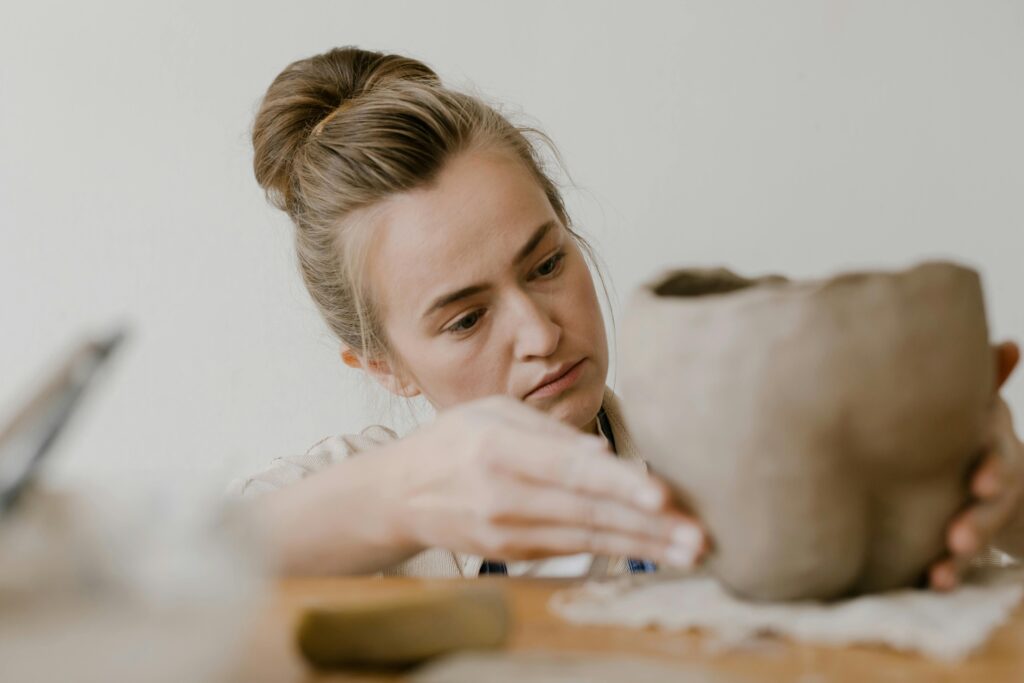
In a world where commissioning religious art can mean steep costs and long waits, Indweller Artistic has carved out a distinct niche by offering organizations an accessible path to breathtaking, high-quality works of sacred art. Rooted in Wiarton, Ontario, the company works with master artisans across the globe—from the serene hills of Thailand to the vibrant studios of Brazil—ensuring that each piece blends authenticity, craftsmanship, and reverence. By eliminating the typical logistical hurdles that come with original commissions, Indweller Artistic delivers finished religious artworks with efficiency and excellence. Each client is invited into the creative process, beginning with pencil sketches and clay models and ending in a sculptural masterpiece that inspires awe and devotion. This inclusive, hands-on approach not only ensures satisfaction but also allows every piece to reflect the values and spirit of the community it’s destined to serve.
How Indweller Artistic Bridges Tradition to Deliver World-Class Art Without the Wait
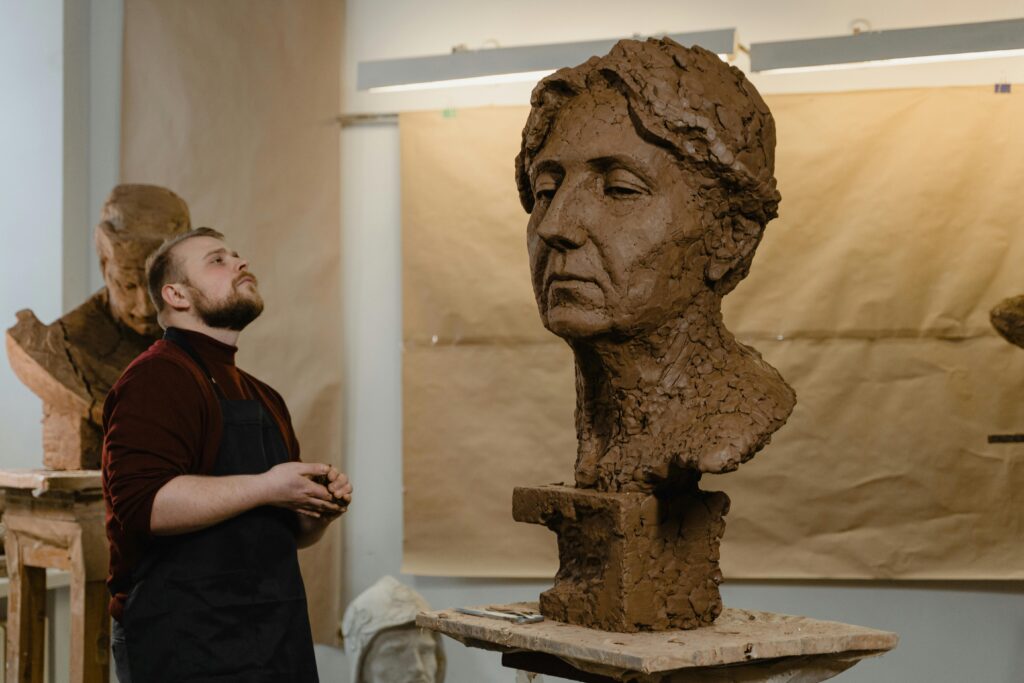
In a world where commissioning religious art can mean steep costs and long waits, Indweller Artistic has carved out a distinct niche by offering organizations an accessible path to breathtaking, high-quality works of sacred art. Rooted in Wiarton, Ontario, the company works with master artisans across the globe—from the serene hills of Thailand to the vibrant studios of Brazil—ensuring that each piece blends authenticity, craftsmanship, and reverence. By eliminating the typical logistical hurdles that come with original commissions, Indweller Artistic delivers finished religious artworks with efficiency and excellence. Each client is invited into the creative process, beginning with pencil sketches and clay models and ending in a sculptural masterpiece that inspires awe and devotion. This inclusive, hands-on approach not only ensures satisfaction but also allows every piece to reflect the values and spirit of the community it’s destined to serve.