
A Practical Guide to Bringing Sacred Art to Your Church or Catholic School
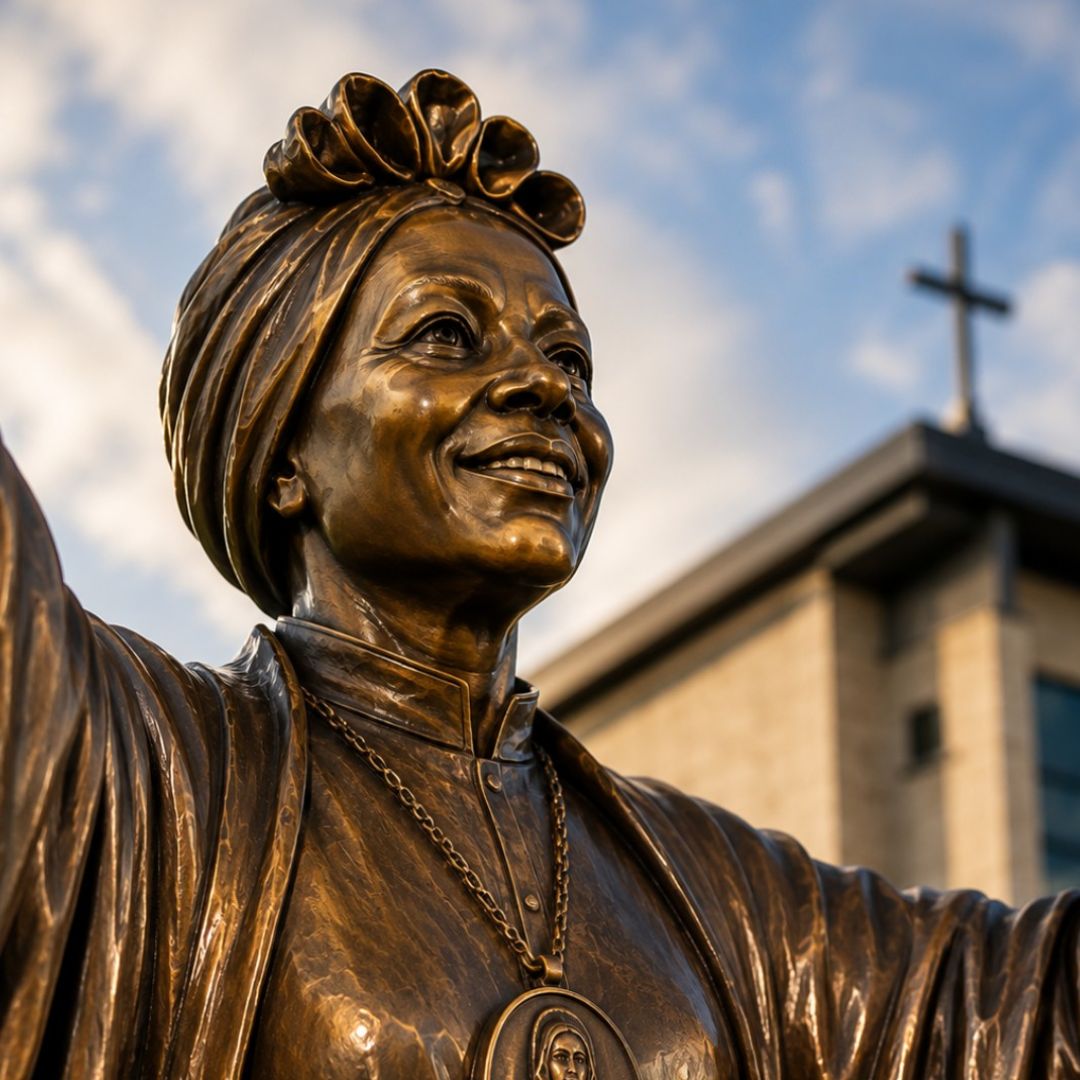
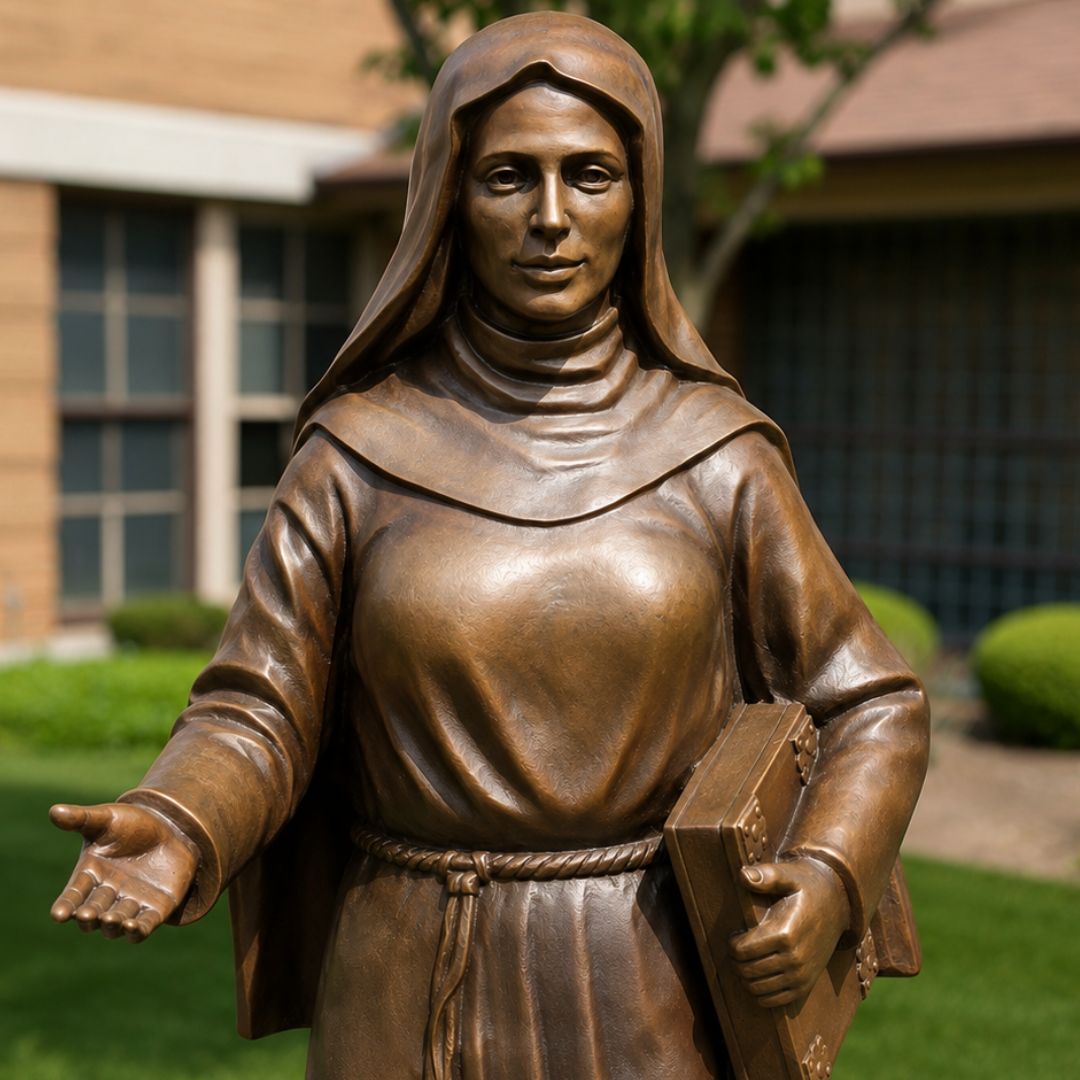
Few additions to a church campus have the lasting impact of a thoughtfully commissioned custom church statue. While renovations, landscaping, and building improvements may change over time, sacred sculpture often becomes a permanent part of a parish’s identity, inspiring prayer, teaching the faith, and welcoming generations of parishioners.
Many pastors, parish councils, school administrators, and donors recognize the value of sacred art but are unsure how to begin. Questions quickly arise:
- Where should the sculpture be placed?
- Which saint should be depicted?
- How does the design process work?
- What level of input does the parish have?
- How long does the process take?
The good news is that commissioning a custom religious sculpture is far more collaborative and enjoyable than many people expect. The most successful projects are not simply purchased—they are thoughtfully designed around the unique mission, architecture, and community of each parish.
Whether you are considering a monument to your parish patron, a Marian shrine, a memorial sculpture, or a campus prayer garden, the following step-by-step guide explains how a church sculpture commission typically unfolds.
Step 1: Begin with Your Mission, Not the Sculpture
The first conversation should never be about bronze, dimensions, or budgets. Instead, ask a more important question: What do we hope this sculpture will accomplish?
Every successful sacred art project begins with a clearly defined purpose. Perhaps your parish hopes to:
- Strengthen Eucharistic devotion.
- Honor a patron saint.
- Beautify the church entrance.
- Create an outdoor prayer garden.
- Inspire students at a Catholic school.
- Memorialize a significant anniversary.
- Encourage vocations.
- Welcome visitors to campus.
When the mission is clearly identified, every later design decision becomes easier. The artwork is no longer simply decorative—it becomes an extension of the parish’s ministry.
Step 2: Identify the Best Location
One of the biggest misconceptions is that the sculpture should be designed first. In reality, experienced sacred art designers often begin with the campus itself.
Every church property contains opportunities that may not be immediately obvious. Potential locations include:
- Church entrances
- Gathering plazas
- Courtyards
- Prayer gardens
- School campuses
- Cemetery entrances
- Columbariums
- Parish halls
- Adoration chapel approaches
- Outdoor Stations of the Cross
Rather than forcing a sculpture into an existing space, the goal is to identify a location where sacred art naturally complements how parishioners already move through the campus. Sometimes the perfect location is already waiting.
Step 3: Share Your Space
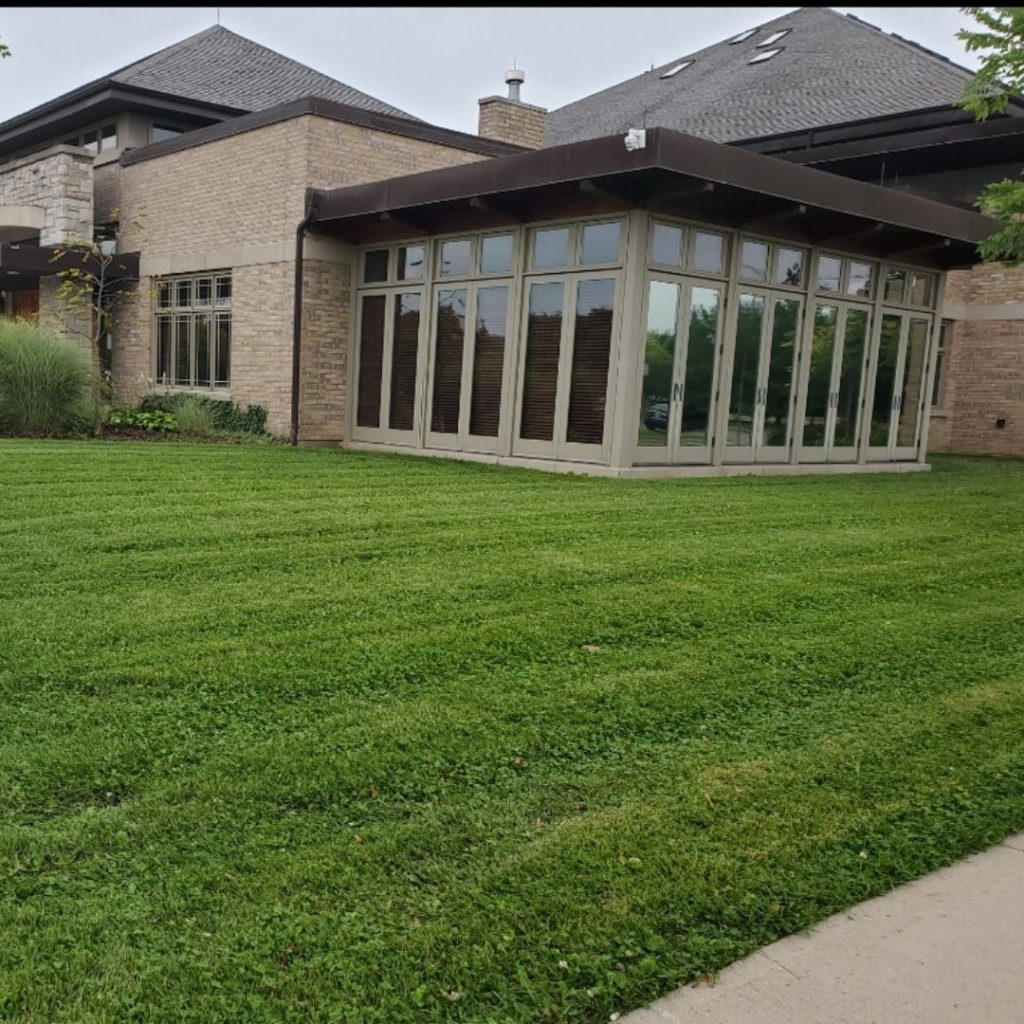
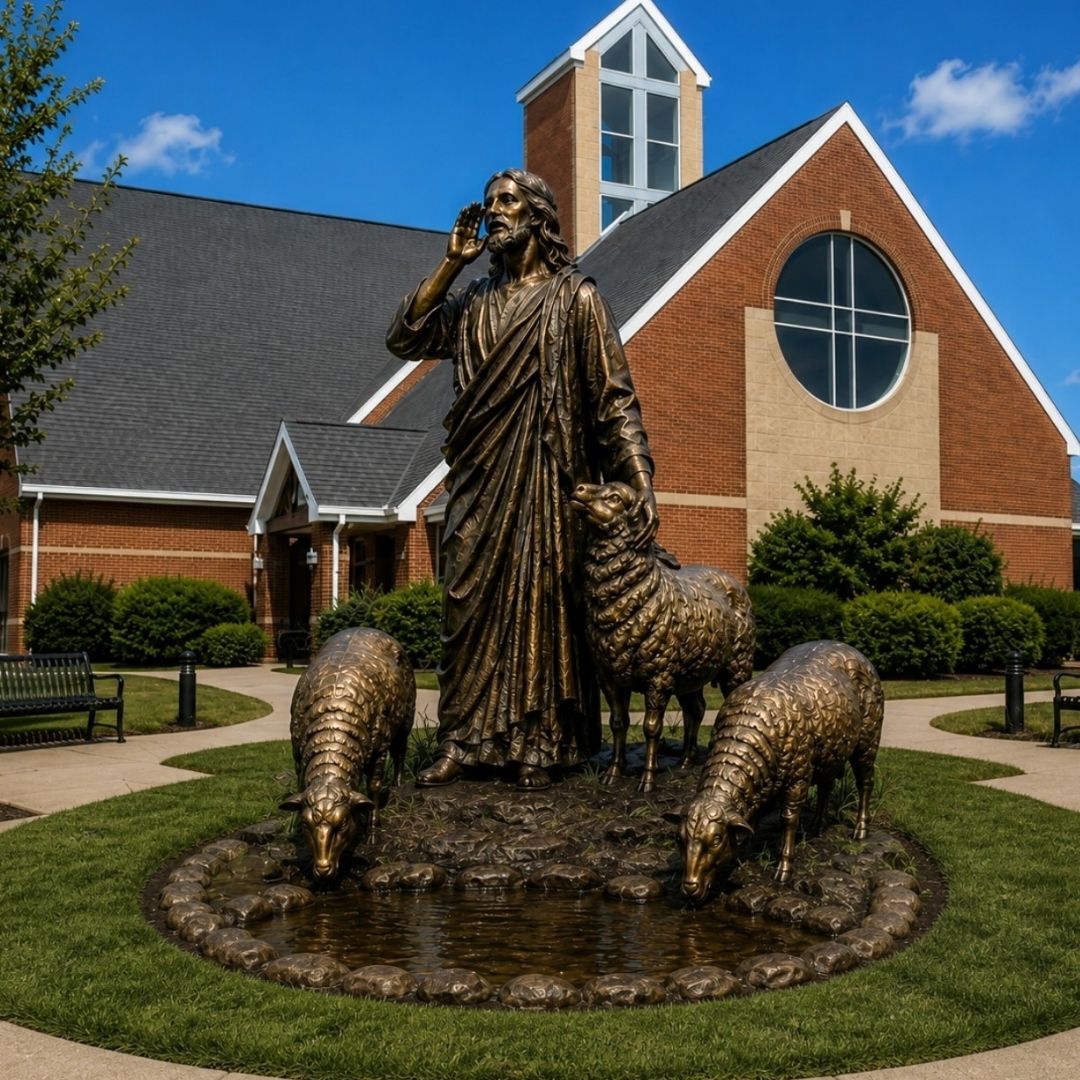
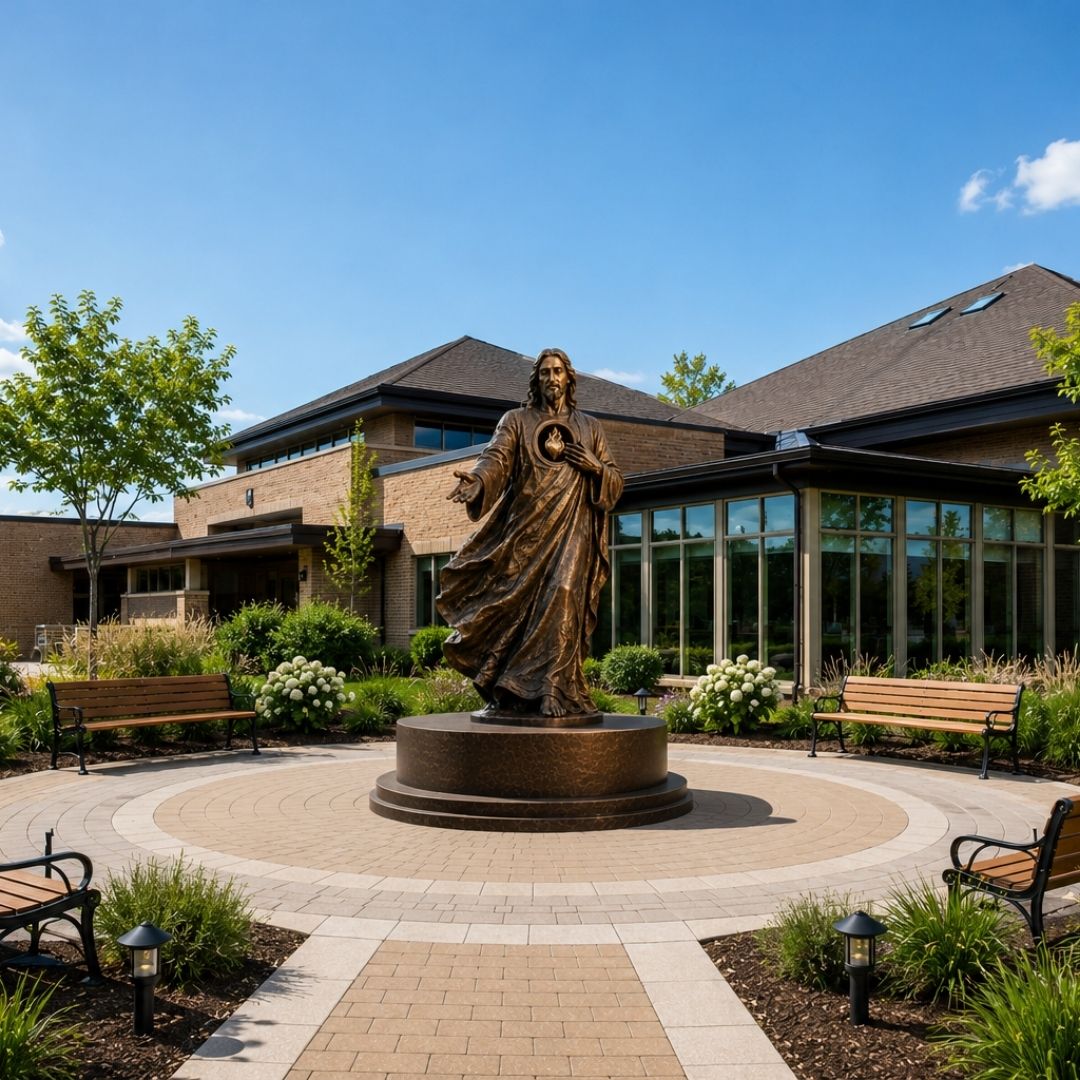
One of the greatest advantages of modern church design is that today’s technology allows parishes to see a proposed sculpture before construction ever begins. Simple photographs of the intended location can often provide enough information to create realistic concept renderings.
These visualizations help answer important questions:
- Is the sculpture the right scale?
- Should the pedestal be taller or shorter?
- Would landscaping improve the setting?
- Is the monument visible from key approaches?
- Does the design complement the surrounding architecture?
Seeing the project in context allows parish leadership to make confident decisions before fabrication begins. It also helps donors and fundraising committees communicate the vision more effectively.
Step 4: Develop the Design Together
Every parish has its own history. Every school has its own culture. Every donor has a unique story. For that reason, the best custom church statues are designed collaboratively.
Rather than selecting a generic sculpture from a catalog, many churches choose to incorporate symbolism that reflects their own mission. That symbolism may include:
- Biblical themes
- Local history
- Parish patronage
- Sacramental imagery
- Educational themes
- Architectural elements
- Scriptural quotations
- Memorial inscriptions
Even subtle design decisions—such as the direction a saint faces, the gesture of a hand, or the placement of a child—can deepen the meaning of the finished work. The result is a sculpture that belongs uniquely to that parish.
Step 5: Refine Every Detail Before Fabrication
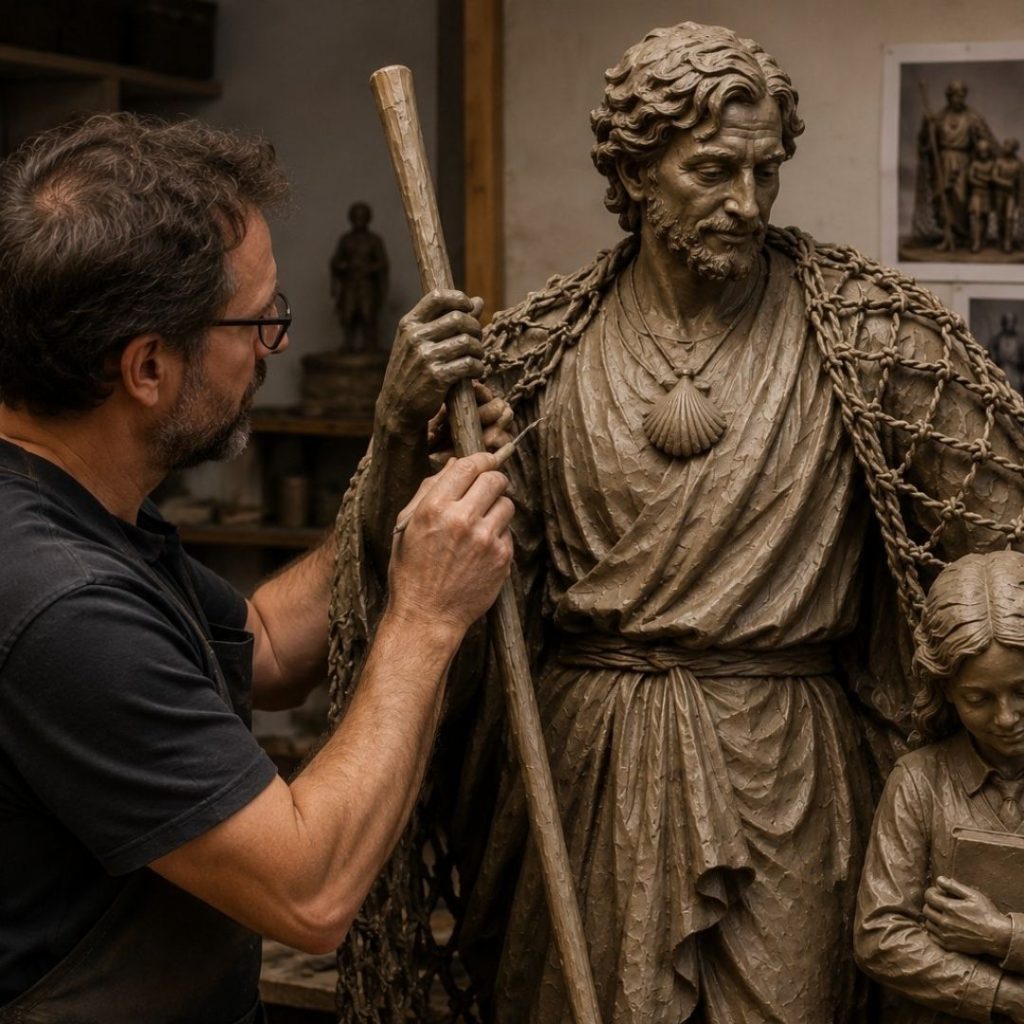
One of the greatest advantages of a collaborative design process is the opportunity to refine details before work begins in bronze. This stage often includes discussions about:
- Facial expressions
- Body language
- Clothing
- Symbolism
- Pedestal design
- Bronze plaques
- Inscriptions
- Accessibility
- Landscaping
- Lighting
Small refinements at this stage often have a significant impact on the finished monument. The goal is not simply artistic excellence. It is theological and pastoral clarity. Every detail should support the mission established at the beginning of the project.
Step 6: From Clay to Bronze
Once the design is approved, fabrication begins. Although every sculptor has a unique workflow, bronze sculpture typically passes through several stages:
- Armature construction
- Full-scale clay sculpting
- Client review
- Mold making
- Wax casting
- Bronze pouring
- Metal finishing
- Patina application
- Final assembly
Throughout this process, centuries-old bronze casting techniques combine with modern craftsmanship to create artwork capable of lasting for generations. Unlike many construction materials, bronze develops character over time while maintaining exceptional durability. For churches seeking a permanent legacy, few materials offer comparable longevity.
Step 7: Prepare the Installation Site
While the sculpture is being fabricated, the installation site can be prepared. This often includes:
- Concrete foundations
- Pedestal installation
- Electrical service for lighting
- Landscaping
- Irrigation adjustments
- Sidewalk improvements
- Seating areas
- Prayer spaces
A carefully designed setting allows the sculpture to become more than an object. It becomes a destination. Simple additions such as benches, flower gardens, shade trees, or paved walkways can transform an installation into a place of prayer and reflection.
Step 8: Installation Day
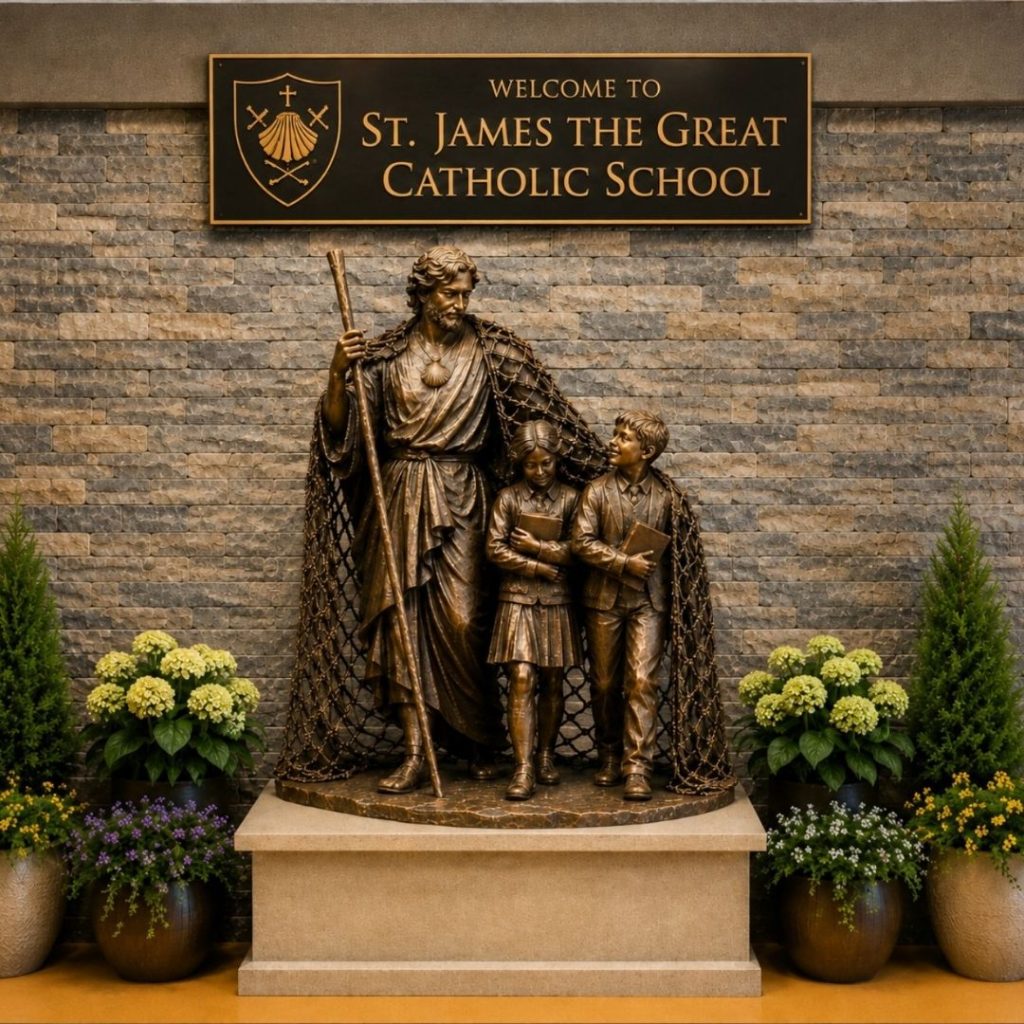
Installation is one of the most exciting moments in the entire project. After months of planning, parishioners finally see the monument become part of their campus.
Professional installers carefully position the sculpture, secure it to its foundation, and make final adjustments to ensure proper alignment and safety.
Many churches choose to document this process through photography and video. These images later become valuable resources for parish newsletters, fundraising efforts, social media, and historical archives.
Step 9: Blessing and Dedication
For many communities, the dedication ceremony becomes one of the defining moments of the project. The sculpture is no longer simply artwork. It becomes part of the spiritual life of the parish.
Dedication celebrations often include:
- A special Mass
- Blessing of the monument
- Donor recognition
- Community reception
- Educational presentations
- Student participation
- Choir performances
- Parish photography
These events create lasting memories and help parishioners develop a personal connection with the new monument.
Step 10: Allow the Sculpture to Become Part of Parish Life
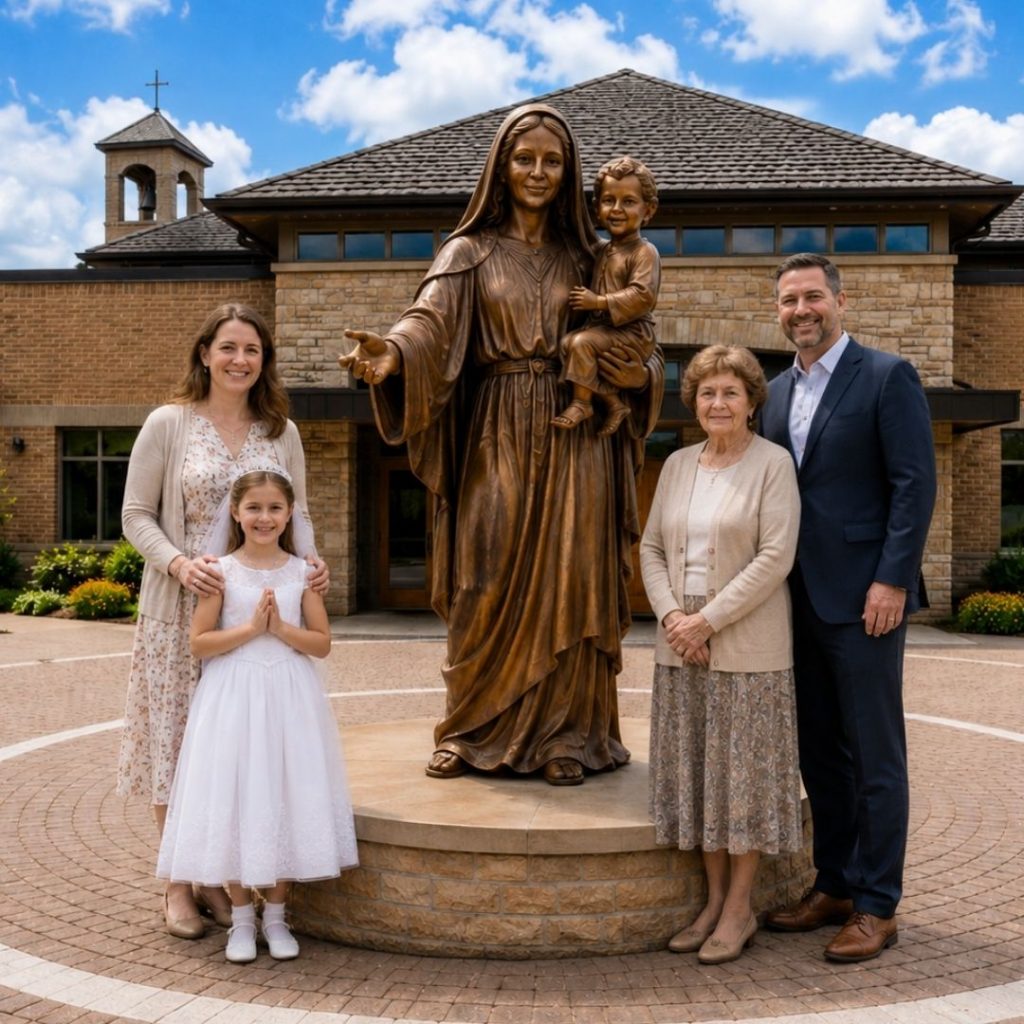
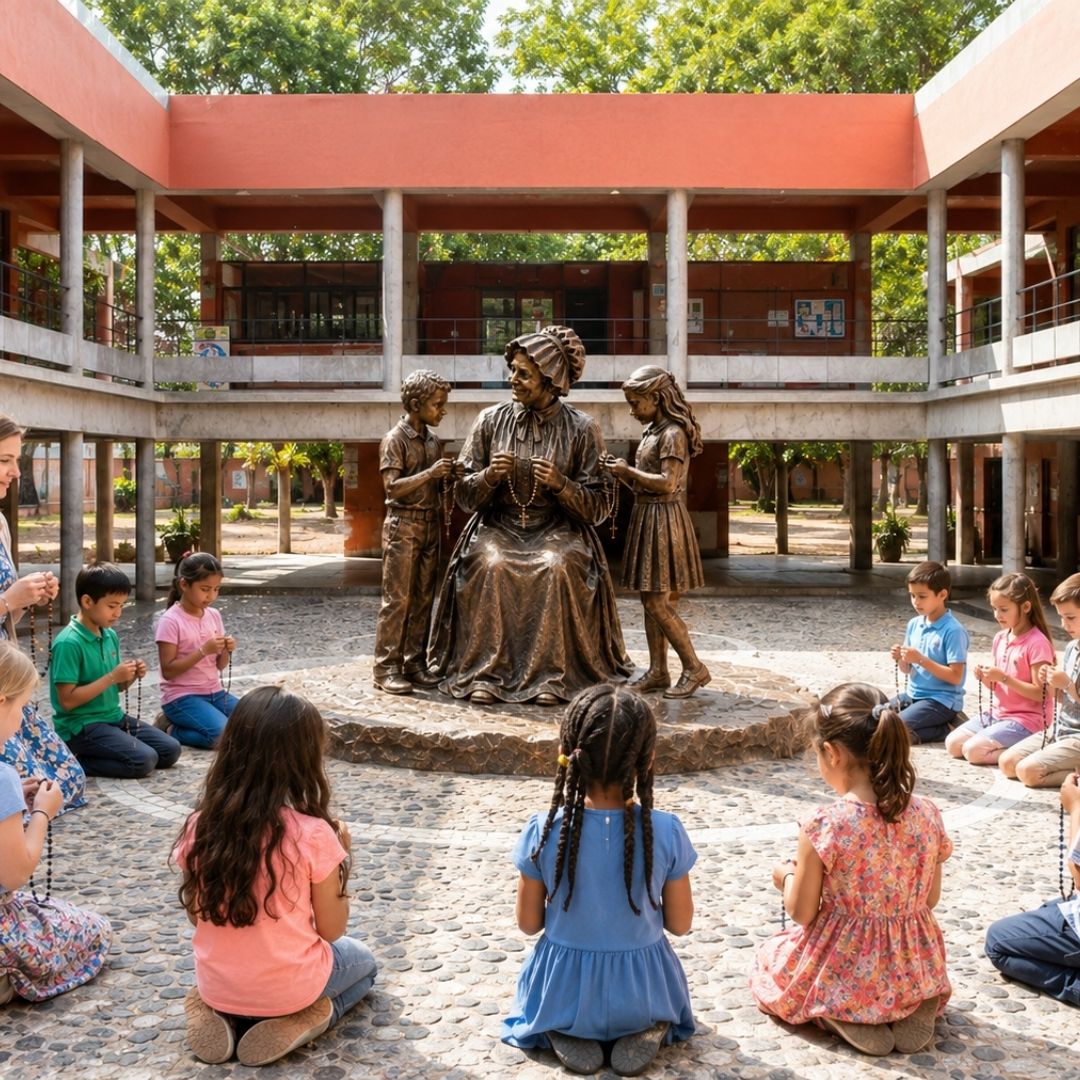
Perhaps the most rewarding aspect of commissioning sacred art is watching how people naturally begin interacting with it. Children stop to ask questions. Families gather for photographs. Visitors pause to pray. Teachers incorporate the sculpture into lessons. Pilgrims discover another reason to visit the campus.
The artwork becomes woven into parish life. Years later, many parishioners cannot imagine the campus without it.
That is the true success of a custom religious sculpture. Not simply that it is beautiful, but that it quietly strengthens the mission of the Church every single day.
A Legacy That Endures
Church buildings tell the story of faith. Sacred art helps tell that story visually. A thoughtfully commissioned custom church statue does far more than beautify a campus. It teaches the Gospel, strengthens Catholic identity, encourages prayer, and creates meaningful places where people encounter Christ.
Every parish is unique. Every school has its own mission. Every community deserves sacred art designed specifically for its people.
Whether your vision is a Marian shrine, a patron saint, a memorial monument, or a campus prayer garden, the commissioning process should be collaborative, inspiring, and centered on your ministry. When approached thoughtfully, a church sculpture commission becomes more than an art project. It becomes a lasting investment in the spiritual life of future generations.
Ready to Explore a Custom Sacred Art Project?
If your parish, Catholic school, cemetery, hospital, or religious community is considering a custom sculpture, the first step is simply a conversation.
Share your campus, your mission, and your vision. Together, those ideas can become a monument that inspires prayer, teaches the faith, and serves your community for generations to come.